Servings:
Search recipes:
 Easy Home Cooking
Simple recipes to master home cooking
New to cooking? These fundamental tips will help you build confidence in the kitchen:
Choose easy, foolproof dishes with few ingredients (e.g., pasta, stir-fries, roasted chicken). Mastering basics builds confidence before tackling complex meals. Our "Foundation's Recipes" category is perfect for this!
You don't need fancy gadgets—just a good chef's knife, cutting board, 2-3 pots/pans, measuring cups/spoons, and basic utensils like a wooden spoon and spatula. Quality basics make cooking easier and more enjoyable.
Proper chopping, dicing, and slicing improve efficiency and safety. Watch tutorials and practice with onions, carrots, and herbs. The "Chopping & Knife Skills" section in our Techniques area shows you how.
Seasoning is key! Taste your food at different stages and adjust salt, acid (lemon/vinegar), and spices as needed. Remember: you can always add more seasoning but can't remove it.
Prep ingredients before cooking (wash, chop, measure). A clean, organized kitchen reduces stress and mistakes. This French concept called "mise en place" is used by professional chefs worldwide.
Learn when to use high heat (searing, boiling) vs. low heat (simmering sauces, slow cooking). Overcooking ruins textures. Our cooking techniques section explains different heat applications.
Burnt a dish? Underseasoned? It happens! Learn from errors—even great chefs mess up. Keep trying! Most cooking mistakes can be fixed or become learning experiences.
Perfect a few versatile dishes (e.g., soup, roast chicken, stir-fry, pasta, salad). Reliable recipes save time and impress guests. Our "Foundation's Recipes" are designed for this purpose.
Turn roasted veggies into frittatas, chicken into tacos, or rice into fried rice. Reduces waste and builds creativity. Many of our recipes include leftover suggestions.
The best meals are made with care. Invite loved ones to join, ask for feedback, and enjoy the process—it's not just about the food! Cooking is a skill that improves with practice and brings people together.
Don't have a specific ingredient? Try these reliable substitutions in a pinch:
| Ingredient | Amount | Substitution | Special Notes |
|---|---|---|---|
| Butter | 1 cup | 1 cup margarine or ⅞ cup vegetable oil | For baking, oil may change texture. For sautéing, use 25% less oil than butter. |
| Buttermilk | 1 cup | 1 tbsp lemon juice or vinegar + enough milk to make 1 cup (let stand 5 min) | Essential for tender baked goods. The acid helps activate baking soda. |
| Egg | 1 large | ¼ cup applesauce, mashed banana, or 1 tbsp ground flaxseed + 3 tbsp water | Best for binding in baking. Not suitable for recipes where eggs are the main structure. |
| All-purpose flour | 1 cup | 1 cup + 2 tbsp cake flour OR ⅞ cup whole wheat flour | Whole wheat flour absorbs more liquid - may need to increase liquid slightly. |
| Baking powder | 1 tsp | ¼ tsp baking soda + ½ tsp cream of tartar | Use immediately as the reaction begins right away. |
| Heavy cream | 1 cup | ⅔ cup milk + ⅓ cup melted butter | Not suitable for whipping. For soups and sauces only. |
| Sour cream | 1 cup | 1 cup plain yogurt OR 1 tbsp lemon juice + enough cream to make 1 cup | Greek yogurt works best as it's thicker. Avoid boiling to prevent curdling. |
| Brown sugar | 1 cup | 1 cup white sugar + 1-2 tbsp molasses | Pack the substitute like you would brown sugar for accurate measurement. |
| Honey | 1 cup | 1¼ cup white sugar + ¼ cup liquid | Reduce other liquids in the recipe by about ¼ cup to compensate. |
| Tomato paste | 1 tbsp | 1 tbsp ketchup OR ½ cup tomato sauce reduced by simmering | Ketchup will add sweetness. Reducing sauce takes 10-15 minutes. |
| Wine (for cooking) | 1 cup | 1 cup broth + 1 tsp vinegar | Adds acidity but misses the complexity of wine. Best for deglazing. |
| Fresh herbs | 1 tbsp | 1 tsp dried herbs | Dried herbs are more potent. Add early in cooking to release flavors. |
| Garlic | 1 clove | ⅛ tsp garlic powder | Garlic powder can burn easily - add later in cooking process. |
| Onion | 1 cup chopped | 1 tbsp onion powder + ½ cup liquid | Adds flavor but not texture. Best for sauces and soups. |
| Cornstarch (thickener) | 1 tbsp | 2 tbsp all-purpose flour | Flour needs longer cooking time to eliminate raw taste. |
| Yogurt | 1 cup | 1 cup sour cream OR 1 cup buttermilk | Buttermilk is thinner - may need to reduce other liquids in baking. |
| Panko breadcrumbs | 1 cup | 1 cup regular breadcrumbs, crushed crackers, or crushed cornflakes | Other options won't be as crispy. Toast lightly for better texture. |
| Maple syrup | 1 cup | 1 cup honey OR 1 cup corn syrup + ½ tsp maple extract | Honey has a stronger flavor. Corn syrup will be less flavorful. |
| Shallot | 1 medium | ¼ cup chopped red onion + pinch of garlic powder | Red onion is sharper - soak in cold water for 10 minutes to mellow. |
| Lemongrass | 1 stalk | 1 tbsp lemon zest + pinch of ginger | Provides citrus notes but misses the herbal quality of lemongrass. |
Create balanced meals in 3 easy steps:
Start with your main protein - this will be the centerpiece of your meal.
| Protein | Serving Size | Cooking Time | Best Methods |
|---|---|---|---|
| Chicken Breast | 150-200g | 20-25 min | Grill, Bake, Sauté, Stir-fry, Poach |
| Salmon Fillet | 150-180g | 12-15 min | Pan-sear, Bake |
| (Beef) Steak | 180-220g | 10-20 min | Grill, Pan-sear |
| Pork | 180-220g | 10-20 min | Grill, Pan-sear, Roast |
| Tofu/Tempeh | 150-200g | 15-20 min | Stir-fry, Bake |
| Ground Meat | 120-150g | 15-20 min | Sauté, Bake, Casserole |
Choose 2-3 vegetable components and a starch to complete your meal.
| Vegetable | Serving Size | Boil/Steam | Roast |
|---|---|---|---|
| Broccoli | 150-200g | 4-6 min | 15-20 min |
| Carrots | 150-200g | 7-9 min | 25-35 min |
| Green Beans | 120-150g | 5-7 min | 15-18 min |
| Asparagus | 100-150g | 3-5 min | 12-15 min |
| Bell Peppers | 100-150g | n/a | 15-20 min |
| Spinach/Kale | 80-120g | 1-3 min | n/a |
| Starch | Serving Size | Cooking Time |
|---|---|---|
| Rice | 75-100g dry | 15-20 min |
| Quinoa | 60-80g dry | 12-15 min |
| Pasta | 80-100g dry | 10-12 min |
| Couscous | 60-80g dry | 5 min |
| Potatoes | 200-250g | 20-45 min |
Start with the component that takes the longest and work backward.
Discover which flavors work best together with this protein pairing guide:
Discover which fruits and vegetables are at their peak during each season:
Common ingredients known by different names across English-speaking countries:
| Ingredient | Australia/NZ | United States | United Kingdom | Canada |
|---|---|---|---|---|
| Bell pepper | Capsicum | Bell pepper | Pepper (or sweet pepper) | Bell pepper |
| Zucchini | Zucchini | Zucchini | Courgette | Zucchini |
| Eggplant | Eggplant | Eggplant | Aubergine | Eggplant |
| Arugula | Rocket | Arugula | Rocket | Arugula |
| Coriander leaves | Coriander | Cilantro | Coriander | Cilantro |
| Spring onion | Spring onion | Scallion or green onion | Spring onion | Green onion |
| Snow peas | Snow peas | Snow peas | Mangetout | Snow peas |
| Minced beef | Minced beef | Ground beef | Minced beef | Ground beef |
| Thickened cream | Thickened cream | Heavy cream | Double cream | Whipping cream |
| Light cream | Light cream | Half-and-half | Single cream | Coffee cream |
| Icing sugar | Icing sugar | Powdered sugar | Icing sugar | Icing sugar |
| Plain flour | Plain flour | All-purpose flour | Plain flour | All-purpose flour |
| Cornflour | Cornflour | Cornstarch | Cornflour | Cornstarch |
| Treacle | Treacle | Molasses | Black treacle | Molasses |
| Sultanas | Sultanas | Golden raisins | Sultanas | Golden raisins |
Standard measurements vary by country. Here's how they compare in milliliters (ml):
| Country | 1 Teaspoon (tsp) | 1 Tablespoon (Tbsp) | 1 Cup | Notes |
|---|---|---|---|---|
| Australia | 5 ml | 20 ml | 250 ml | Australian cups are slightly larger than US cups |
| New Zealand | 5 ml | 15 ml | 250 ml | Follows international metric standard |
| United Kingdom | 5 ml | 15 ml | 250 ml (metric) 284 ml (imperial) |
Older recipes may use imperial cups |
| United States | 4.93 ml | 14.79 ml | 236.59 ml (legal) 240 ml (nutrition) |
US customary cups are smallest |
| Canada | 5 ml | 15 ml | 250 ml | Officially metric but some US influence |
| Japan | 5 ml | 15 ml | 200 ml | Japanese cups are significantly smaller |
A handy reference for approximate weights of common produce items:
| Vegetable | Small (g) | Medium (g) | Large (g) | Notes |
|---|---|---|---|---|
| Onion | 110 | 150 | 250 | Most common reference size |
| Potato | 140 | 175 | 300 | Russet/baking potatoes can be larger |
| Tomato | 85 | 125 | 200+ | Beefsteak tomatoes can be 300g+ |
| Carrot | 50 | 60 | 75 | Usually sold by bunch, not individually |
| Bell Pepper | 120 | 160 | 200+ | Weight includes seeds and core |
| Zucchini | 120 | 180 | 250+ | Larger ones are more watery and seedy |
| Cucumber | 250 | 300 | 400 | Standard "English" cucumber |
| Garlic (head) | 40 | 50 | 65 | Whole bulb, not individual clove |
| Garlic (clove) | 3 | 5 | 7 | One segment from the bulb |
| Broccoli (head) | 300 | 450 | 600 | Whole head, stem and florets |
| Cauliflower (head) | 500 | 750 | 1000+ | Large heads can be over 1.5kg |
| Sweet Potato | 130 | 175 | 250 | |
| Avocado | 150 | 200 | 300+ | Weight includes pit and skin |
| Lettuce (head) | 300 | 500 | 800 | Romaine or Iceberg |
| Spinach (bag) | - | 140 | 280 | Typically pre-packaged |
| Asparagus (bundle) | - | 225 | 450 | Sold by bunch or weight |
| Celery (stalk) | 35 | 40 | 50 | One individual rib from bunch |
| Eggplant (Globe/American) | 150 | 450 | 700 | Weight varies greatly by variety. This is for the common globe type. |
| Fruit | Small (g) | Medium (g) | Large (g) | Notes |
|---|---|---|---|---|
| Apple | 140 | 180 | 250+ | "Medium" is common measure |
| Banana | 80 (6") | 120 (7-8") | 150+ (9") | Weight includes peel |
| Orange | 120 | 150 | 200+ | Navel oranges |
| Lemon | 60 | 85 | 110+ | Medium yields ~2-3 tbsp juice |
| Lime | 50 | 70 | 90 | Medium yields ~1-2 tbsp juice |
| Pear | 145 | 175 | 200+ | |
| Peach/Nectarine | 130 | 150 | 180 | |
| Kiwi | 50 | 75 | 90 | Weight includes fuzzy skin |
| Strawberries (per berry) | 10 | 15 | 20 | 1 pint ≈ 300g |
| Blueberries (1 cup) | - | 150 | - | Per cup measurement |
| Raspberries (1 cup) | - | 125 | - | Per cup measurement |
| Grapefruit | 300 | 350 | 450+ | |
| Mango | 250 | 350 | 500+ | Weight includes large pit and skin |
| Pineapple | 900 | 1200 | 2000+ | Whole fruit with skin and core |
| Pomegranate | 250 | 300 | 400+ | Whole fruit with skin and pith |
| Grapes (bunch) | - | 500 | 1000 | Typically sold by weight |
Reference charts for boiling, steaming, and roasting vegetables at 200°C (400°F):
| Vegetable | Tender-Crisp | Soft | Very Soft |
|---|---|---|---|
| Asparagus | 2-3 min | 4-6 min | 8-10 min |
| Broccoli | 3-4 min | 5-6 min | 8-10 min |
| Carrots | 4-5 min | 7-9 min | 12-15 min |
| Green Beans | 3-4 min | 6-8 min | 10-12 min |
| Cauliflower | 4-5 min | 6-8 min | 10-12 min |
| Potatoes | n/a | 10-12 min | 15-20 min |
| Spinach/Kale | 1-2 min | 2-3 min | n/a |
| Vegetable | Tender-Crisp | Soft | Very Soft |
|---|---|---|---|
| Asparagus | 3-4 min | 5-7 min | 8-10 min |
| Broccoli | 4-5 min | 6-8 min | 9-11 min |
| Carrots | 5-6 min | 8-10 min | 12-15 min |
| Green Beans | 4-5 min | 7-9 min | 10-12 min |
| Cauliflower | 5-6 min | 7-9 min | 10-12 min |
| Brussels Sprouts | 6-7 min | 9-11 min | 12-14 min |
| Vegetable | Tender-Crisp | Soft & Caramelized | Very Soft |
|---|---|---|---|
| Asparagus | 10-12 min | 15-18 min | n/a |
| Broccoli | 12-15 min | 18-22 min | n/a |
| Carrots | 20-25 min | 30-40 min | 45-50 min |
| Bell Peppers | 12-15 min | 18-20 min | n/a |
| Potatoes | 25-30 min | 35-45 min | 50-60 min |
| Brussels Sprouts | 15-18 min | 20-25 min | 30+ min |
| Whole Garlic | n/a | 40-45 min | 50-60 min |
Master these fundamental techniques to improve your cooking skills:

Proper knife techniques are foundational to efficient cooking. The claw grip protects fingers while allowing precise cuts. Different cuts serve different purposes: fine brunoise (1/8" cubes) for garnishes, medium dice (1/2" cubes) for even cooking, and rough chops for stocks. Keep knives sharp - a dull blade is more dangerous than a sharp one. Practice the rocking motion with chef's knives for herbs and the push-cut for harder vegetables.
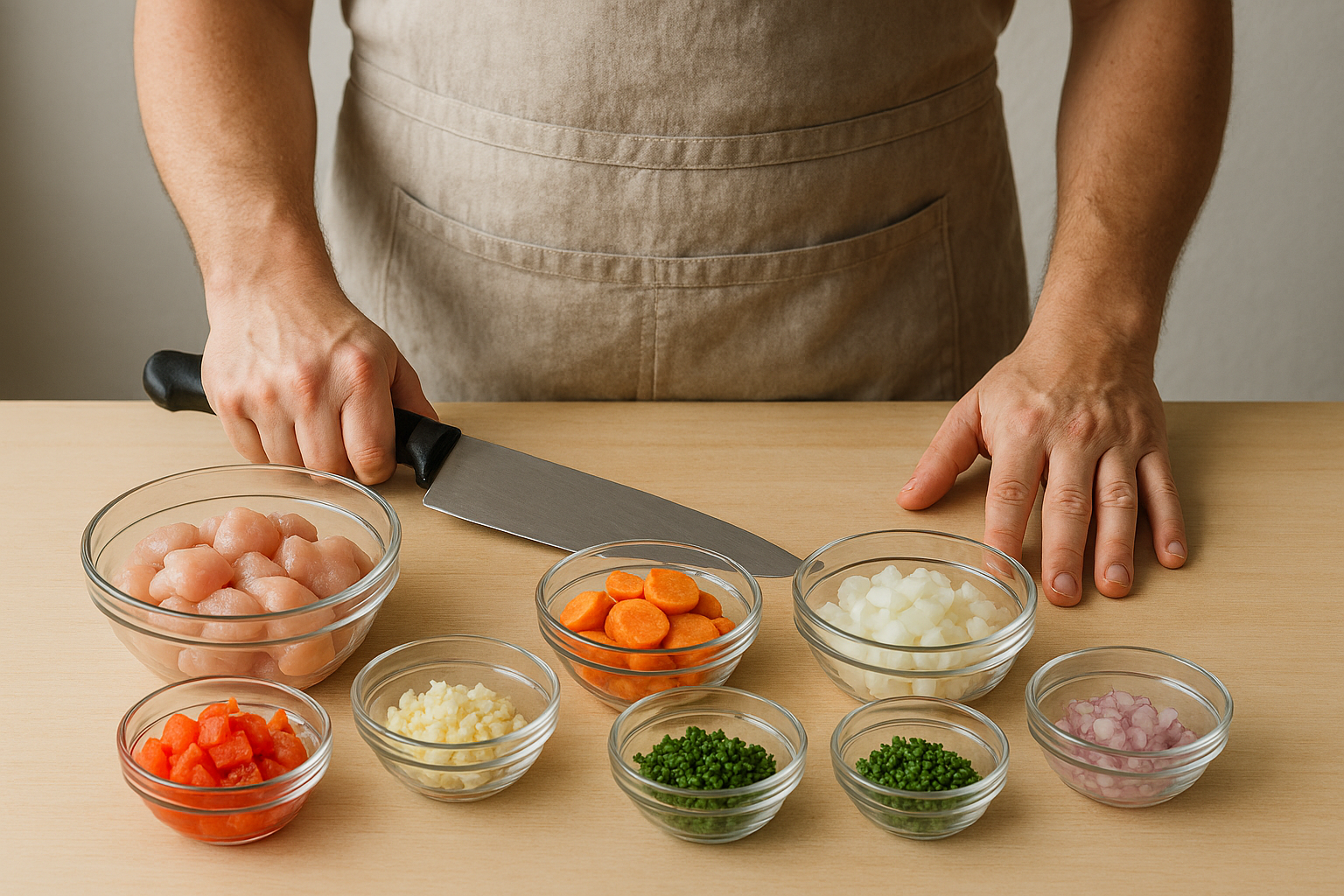
This fundamental technique is about preparation before cooking. Chop all ingredients, measure seasonings, and organize tools before turning on the heat. Key benefits: reduces stress (no frantic chopping while food burns), ensures even cooking (all pieces are uniform), and helps track ingredients (no forgotten items). Essential for all recipes - professional chefs won't start cooking without proper mise en place. Pro tip: use small bowls or ramekins to organize prepped ingredients.
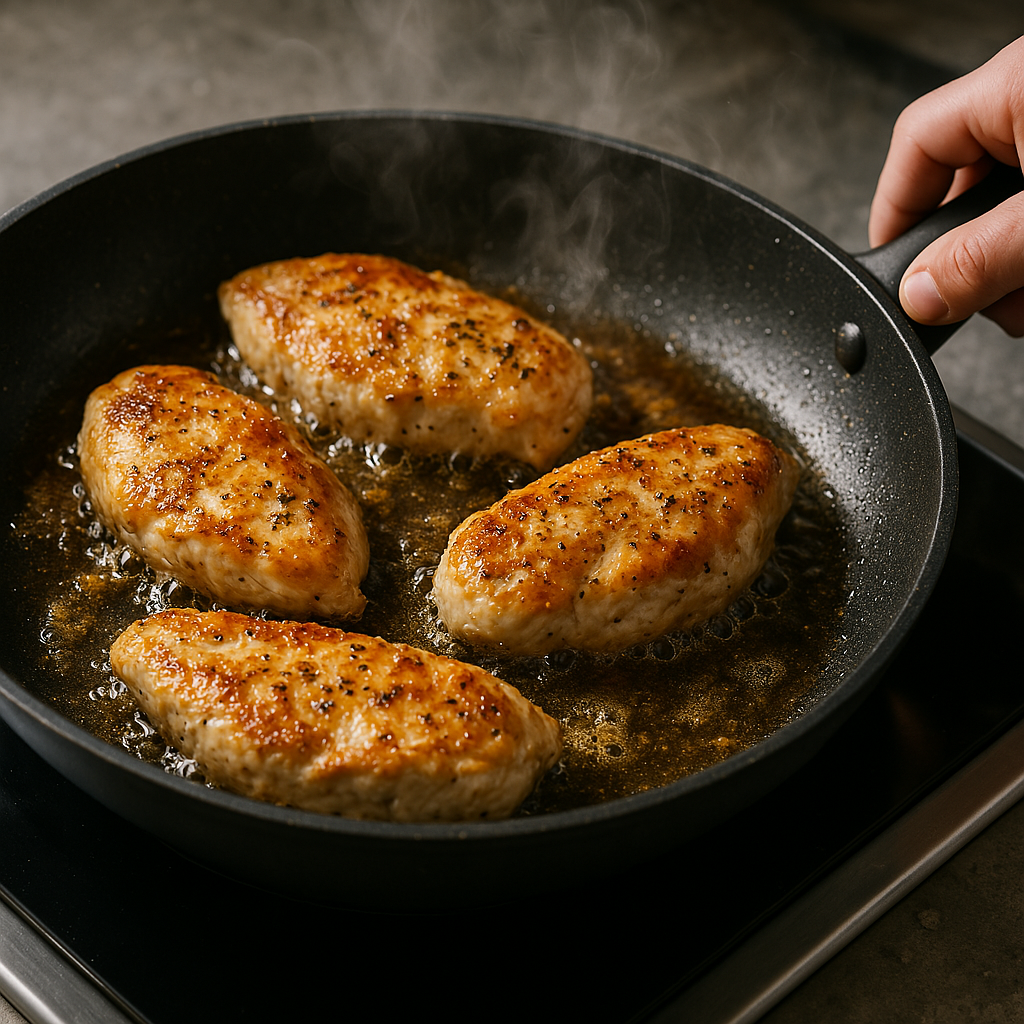
This high-heat method cooks food quickly in a thin layer of oil. Use a pan with sloping sides (sauté pan) for tossing. The oil should shimmer but not smoke. Key principles: don't overcrowd the pan (creates steam), let food develop a golden crust before stirring (Maillard reaction), and keep items moving ("sauté" means "to jump" in French). Perfect for vegetables, thin cuts of meat, and quick-cooking proteins like shrimp.
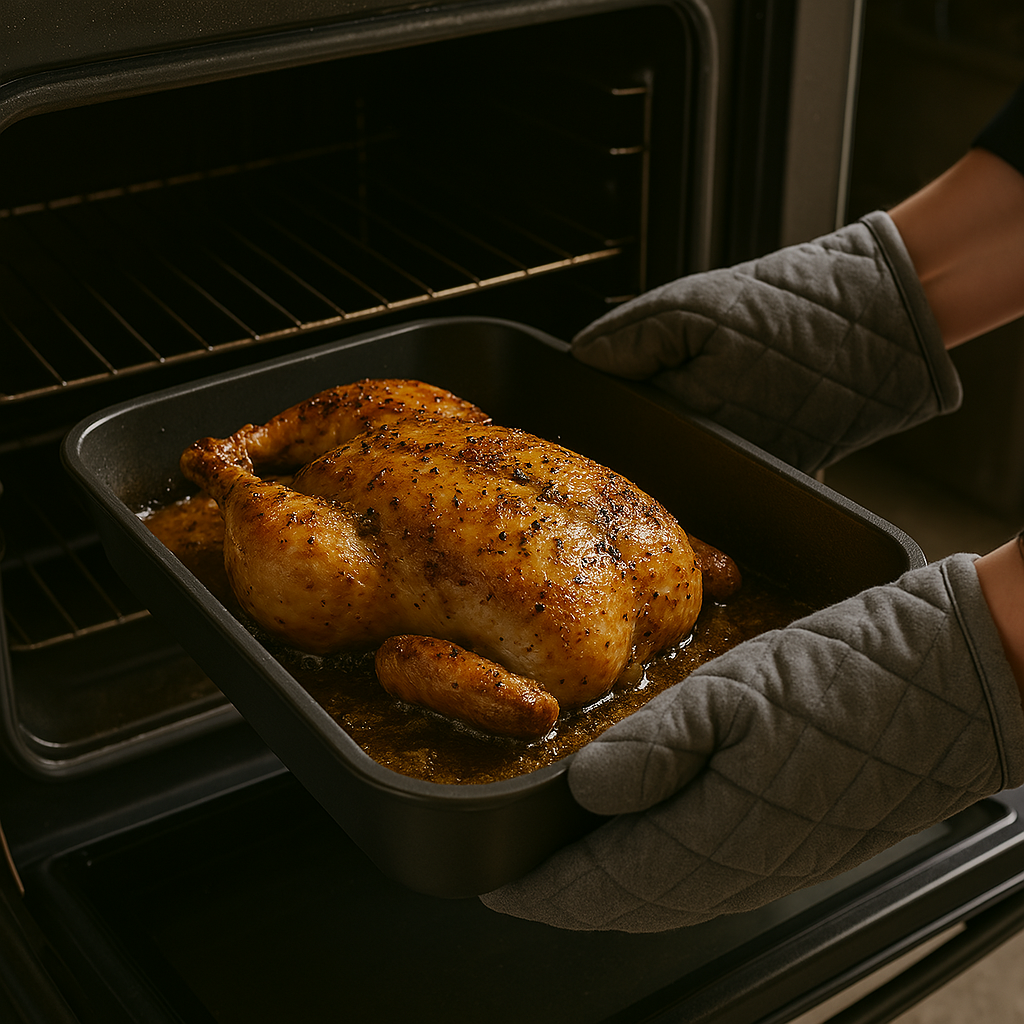
Dry-heat cooking that caramelizes natural sugars, typically at 190-230°C/375-450°F. Use this for larger cuts of meat and hearty vegetables. Elevate food on a rack for air circulation. Baste meats with their own juices for moisture. For vegetables, toss in oil and spread in a single layer to prevent steaming. The process creates complex flavors through the Maillard reaction and caramelization. Rotate pans halfway for even cooking. NOTE: Fan-forced (convection) ovens circulate hot air for faster, more even cooking, typically requiring temperatures 20°C (36°F) lower than conventional (static) ovens, or 25% less time at the same temperature. For longer roasting times or for baking consider using conventional (static).
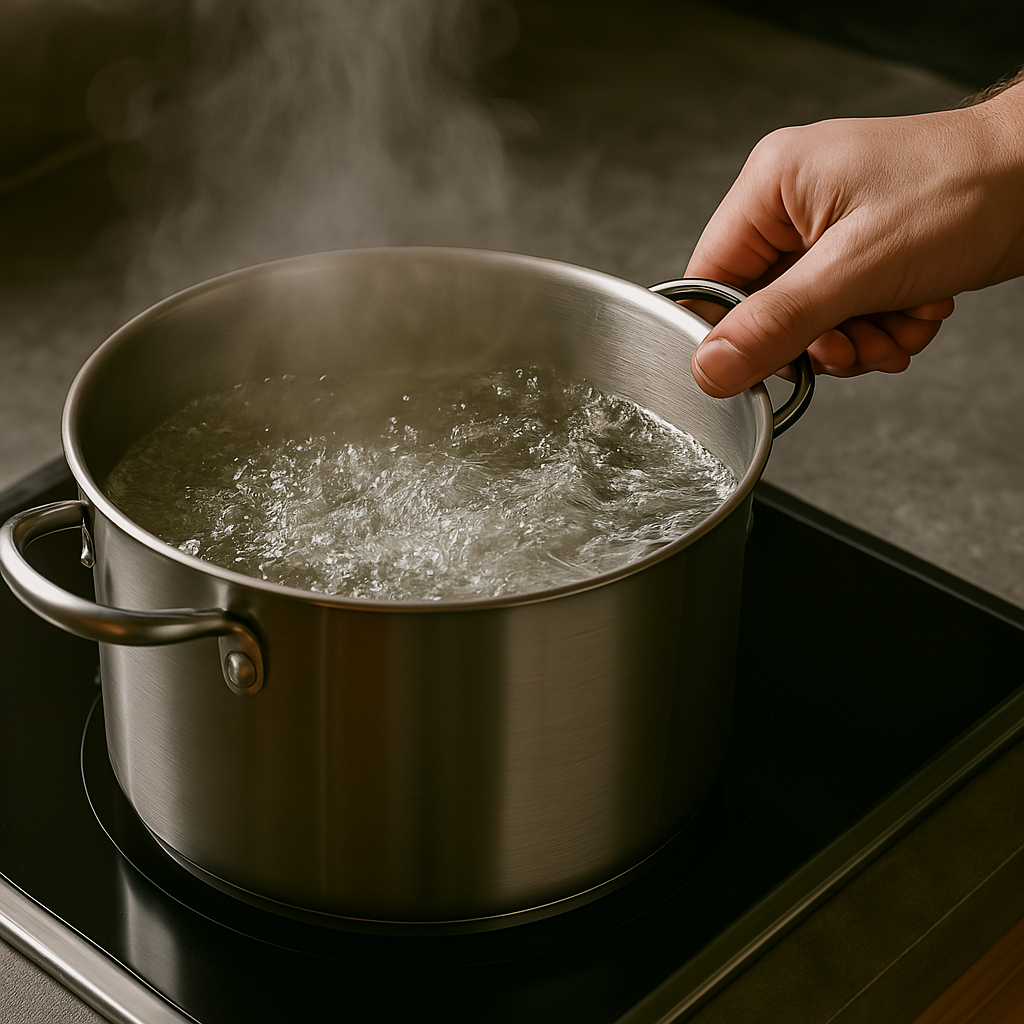
Boiling (100°C/212°F at sea level) is best for pasta and blanching vegetables. A rolling boil has vigorous bubbles, while a gentle boil has moderate activity. Simmering (85-96°C/185-205°F) has small bubbles breaking the surface occasionally - ideal for stocks, soups, and braises. Poaching (71-82°C/160-180°F) has barely any bubble movement, perfect for delicate proteins. Controlling water temperature affects texture - rapid boils can make meat tough while gentle simmers keep it tender.
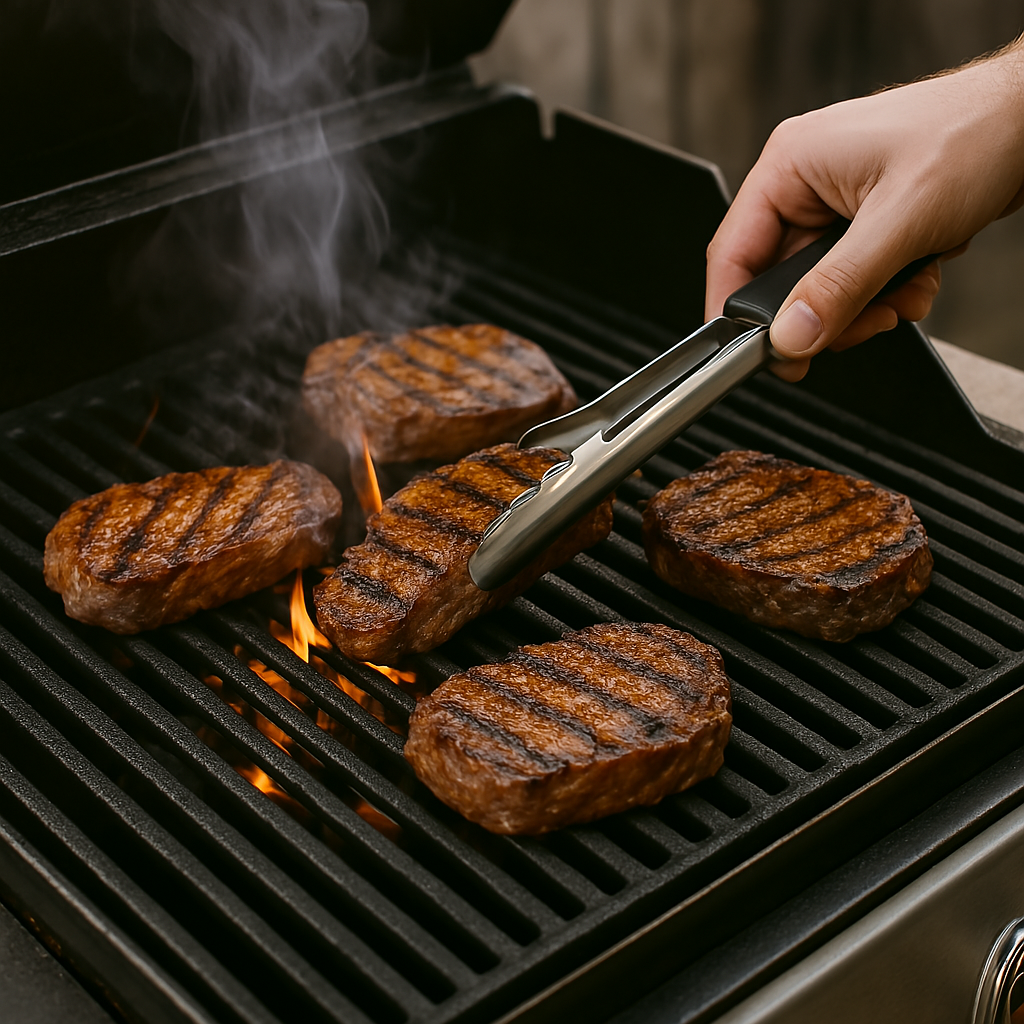
Direct high-heat cooking that creates characteristic char marks and smoky flavor. Preheat the grill for at least 15 minutes to ensure proper searing and prevent sticking. Create heat zones - direct for searing, indirect for finishing. For perfect grill marks, place food at 10 o'clock, then after 2 minutes rotate to 2 o'clock. Don't press meats - this squeezes out juices. Let thicker cuts come to room temperature before grilling for even cooking.
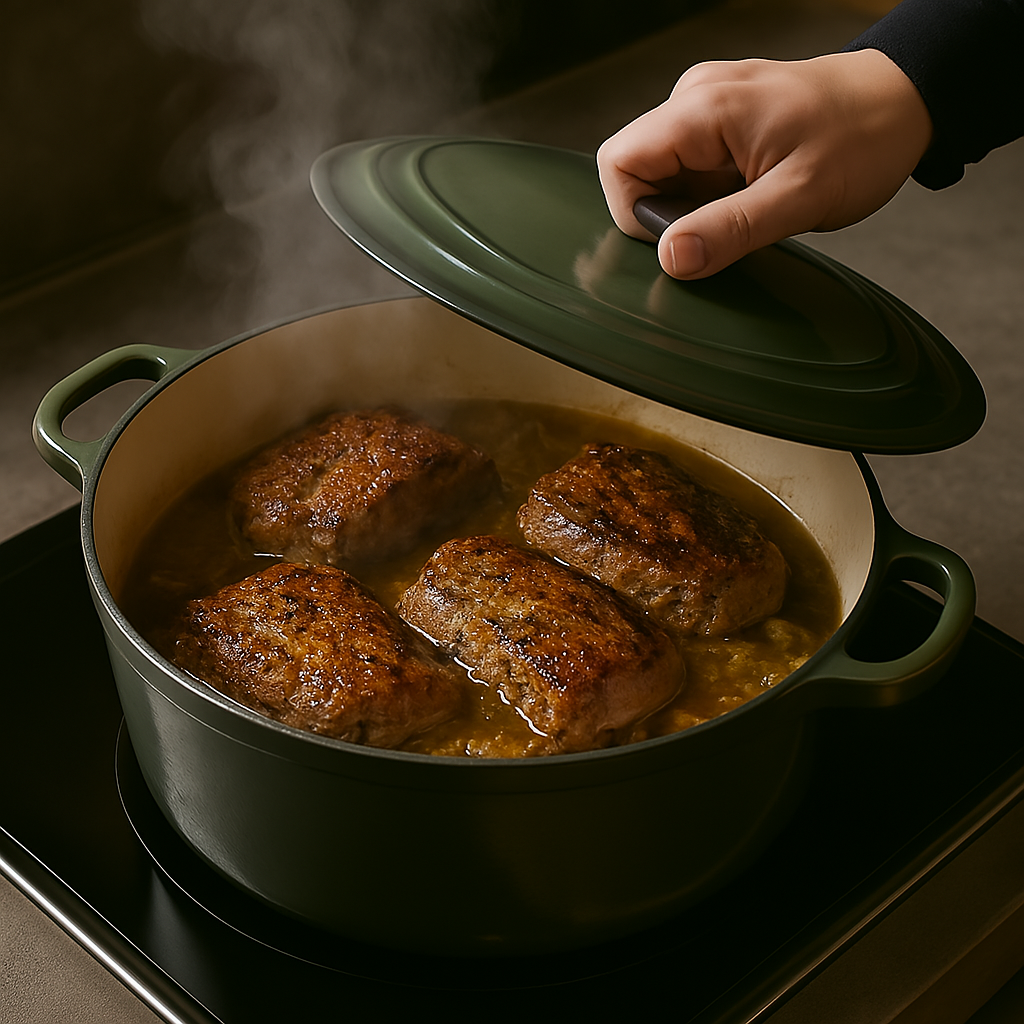
This two-step method combines dry and moist heat. First, sear meat or vegetables to develop flavor through the Maillard reaction. Then cook slowly in flavorful liquid (stock, wine, or aromatics) at low heat (82-93°C/180-200°F) until tender. The collagen in tough cuts breaks down into gelatin, creating luxurious textures. Use a tight-fitting lid and check liquid levels periodically. Ideal for short ribs, pot roasts, and root vegetables. The braising liquid often becomes a sauce.
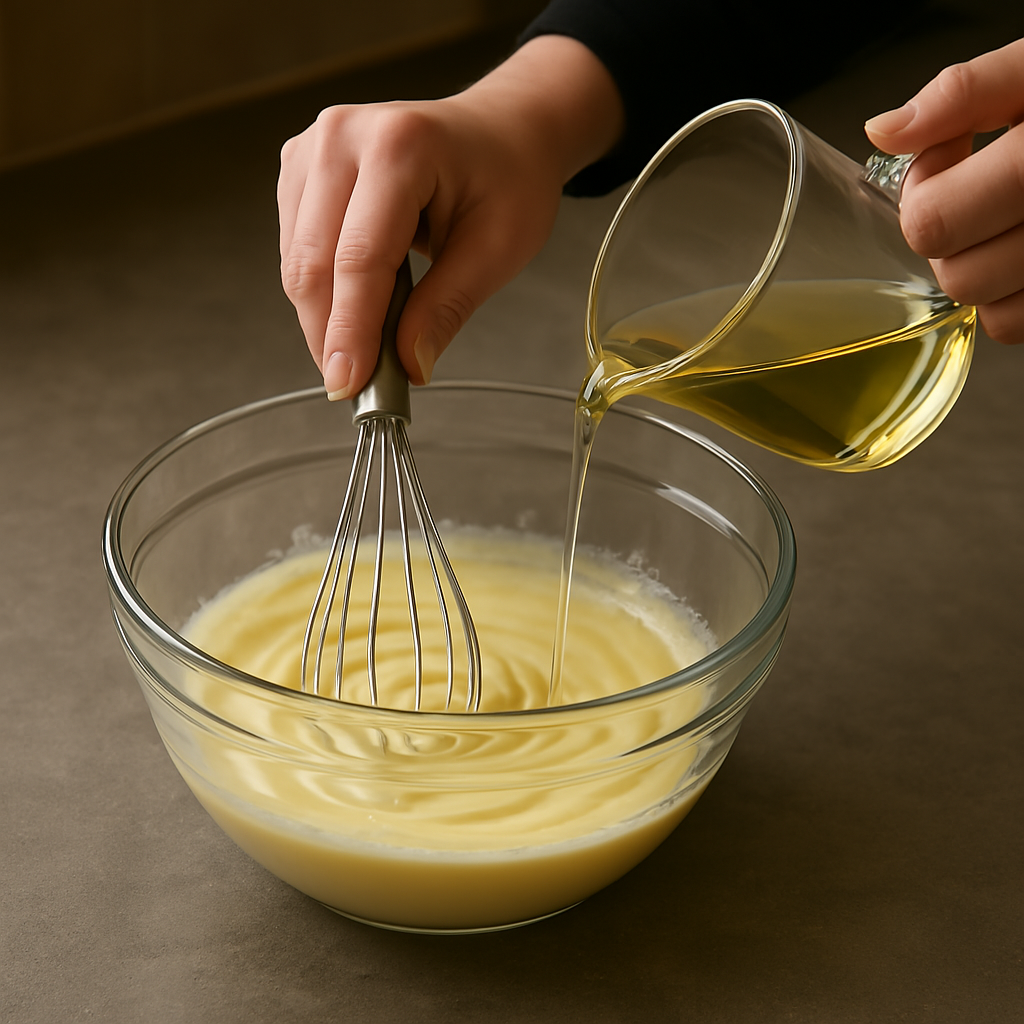
The process of combining two immiscible liquids (like oil and water) into a stable mixture. Key techniques include: adding oil slowly to vinegar while whisking vigorously (vinaigrette), using egg yolks as an emulsifier (mayonnaise), or mechanical force (mustard). Temperature matters - warm emulsions (hollandaise) need careful heat control. If an emulsion breaks, start with a new base and slowly whisk in the broken mixture. Properly made emulsions should coat the back of a spoon.
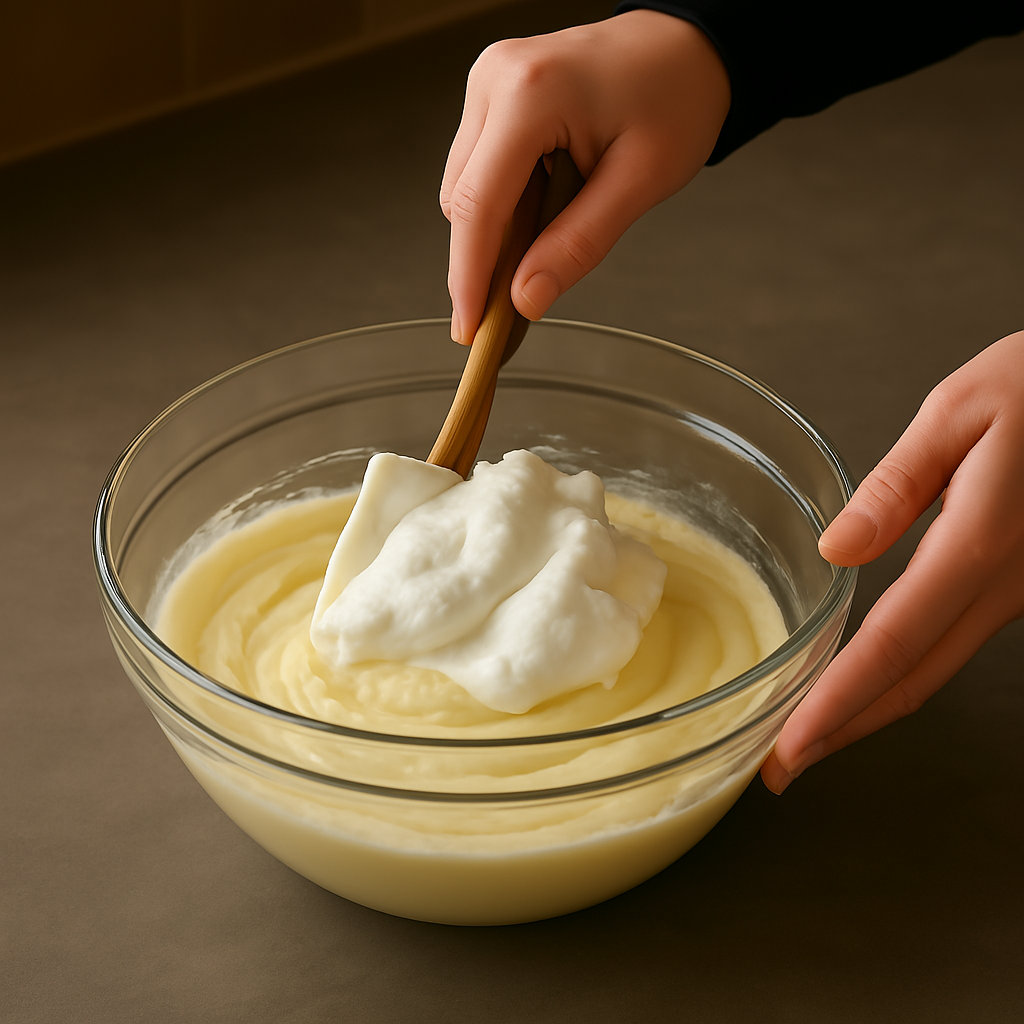
A gentle mixing technique that preserves air bubbles in delicate mixtures. Use a rubber spatula and cut through the center, scrape along the bottom, and fold over the top. Rotate the bowl 90 degrees and repeat. Essential for soufflés, mousse, and whipped cream mixtures. The goal is even incorporation without deflating. For dry ingredients into wet, sift them over the surface first to prevent clumping. Stop when just combined - overmixing develops gluten in baked goods, making them tough.
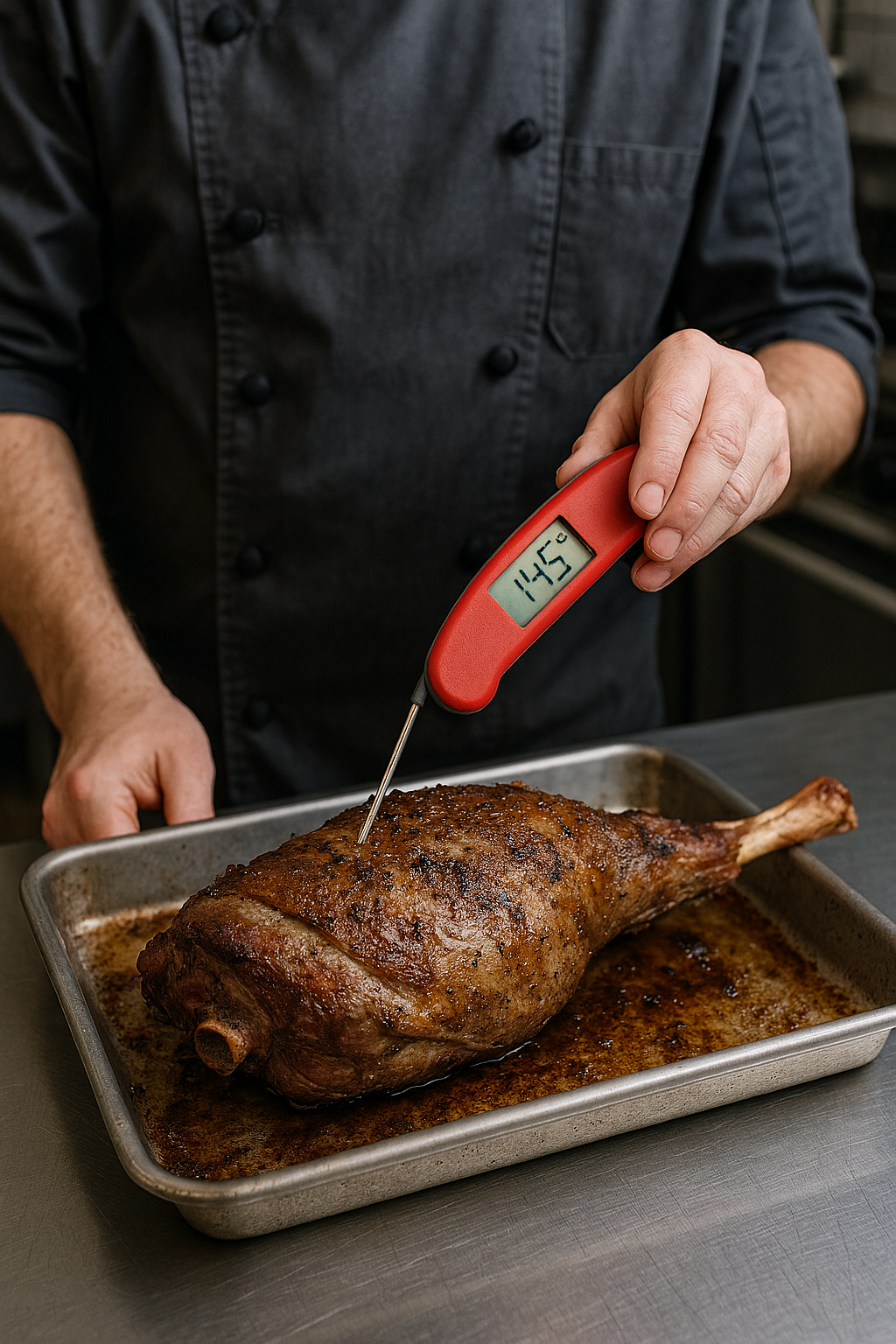
Using a instant reading food thermometer ensures meats reach safe internal temperatures while maintaining ideal texture. Key guidelines: Poultry (74°C/165°F), ground meats (71°C/160°F), pork (63°C/145°F with 3-minute rest), beef/veal/lamb steaks (63°C/145°F medium-rare, 71°C/160°F medium). Fish should reach 63°C/145°F. For eggs, cook until yolks and whites are firm. Always insert the thermometer into the thickest part, avoiding bone or fat. Let meat rest after cooking - temperatures typically rise 3-6°C/5-10°F during resting while juices redistribute.

Proper kneading develops gluten for optimal bread structure. For hand kneading: flour surface, push dough away with heel of hand, fold, rotate 90°, and repeat. Use the windowpane test - stretch a small piece thin enough to see light through without tearing.
With a stand mixer and dough hook: start on low speed (1 or 2) for 1-2 minutes to combine dry and wet ingredients with dough hook until not dry ingredients remain. Then continue mixing on low speed (2) for main kneading. Typical times for 500g flour: standard loaves 8-12 minutes, enriched doughs 12-18 minutes, artisan breads 5-8 minutes. Monitor mixer temperature - if body becomes hot, finish kneading by hand. Dough is ready when smooth, elastic, and passing the windowpane test.
In the case of mixing a pre-ferment, like Poolish, mix with the remaining ingredients on medium (5) with a paddle attachment until the dough is smooth and sticky and then reduce to low (2) with the dough hook for final 2 minutes.
Essential practices to keep your kitchen clean and your food safe:
Wash hands thoroughly with soap and warm water for at least 20 seconds:
Keep your kitchen surfaces and tools clean:
Keep raw and cooked foods separate:
Cook foods to their safe internal temperatures:
| Food | Temperature |
|---|---|
| Poultry (chicken, turkey) | 74°C/165°F |
| Ground meats | 71°C/160°F |
| Pork | 63°C/145°F (with 3-min rest) |
| Beef, veal, lamb steaks | 63°C/145°F (medium-rare) |
| Fish | 63°C/145°F |
| Eggs | Until yolk and white are firm |
| Leftovers | Reheat to 74°C/165°F |
Keep foods at safe temperatures:
Bacteria multiply rapidly between 4°C/40°F and 60°C/140°F: